
Ceramic Frit Glass
Ceramic frit glass is a decorative and performance glass solution created by applying ceramic enamel onto the surface of glass and permanently fusing it through high-temperature firing. Unlike surface films or coatings, the ceramic frit becomes an integral part of the glass, making it highly durable, fade-resistant and long-lasting.
In Singapore, ceramic frit glass is widely used in HDB flats, condominiums, commercial buildings, office interiors, retail storefronts and architectural façades where both aesthetics and functionality are important.
At House of Glass, we provide professional ceramic frit glass supply and installation services for residential, commercial and architectural projects across Singapore.
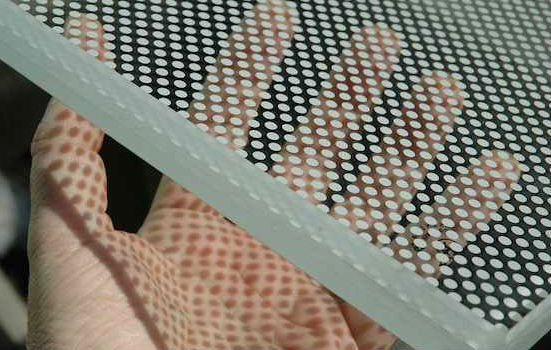
What Makes Ceramic Fritted Glass So Popular?
Ceramic frit glass is recognised for its ability to combine design flexibility with performance benefits. Because the enamel is permanently bonded to the glass surface during the tempering or heat-strengthening process, it does not peel, fade or deteriorate under Singapore’s humid and high-UV climate.
Ceramic frit glass is valued because:
The ceramic coating is permanently fused into the glass
Colours and patterns are fade-resistant and UV stable
It reduces glare and solar heat gain
It enhances privacy without blocking natural light
It adds architectural character and branding opportunities
It remains low maintenance and easy to clean
This makes ceramic frit glass suitable for both decorative and functional applications, particularly in high-rise and sun-exposed buildings.
Use of Ceramic Frit Glass in Singapore
Ceramic frit glass plays an important role in Singapore’s built environment. Its ability to control light, improve privacy and enhance façade design makes it a preferred choice for developers, architects and homeowners.
Due to Singapore’s tropical climate and emphasis on modern design, ceramic frit glass is commonly specified for both residential and commercial projects.
Common Applications
- HDB and condo balcony panels
- Glass railings and balustrades
- Shower screens and bathroom partitions
- Office partitions and meeting rooms
- Storefront exteriors and display panels
- Curtain wall façades
- Skylights and overhead glazing
- Feature walls and decorative installations
For commercial buildings with strong sun exposure, ceramic frit patterns can reduce glare and solar heat gain while maintaining daylight penetration.
In residential properties, it is frequently used for privacy screens, balcony upgrades and bathroom installations.
It is also suitable for replacement works where decorative or patterned glass panels are required.
Ceramic Frit Glass Technology
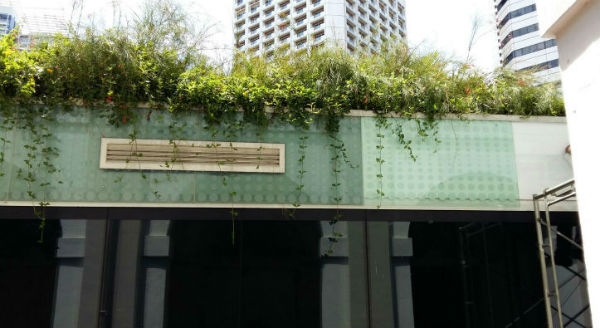
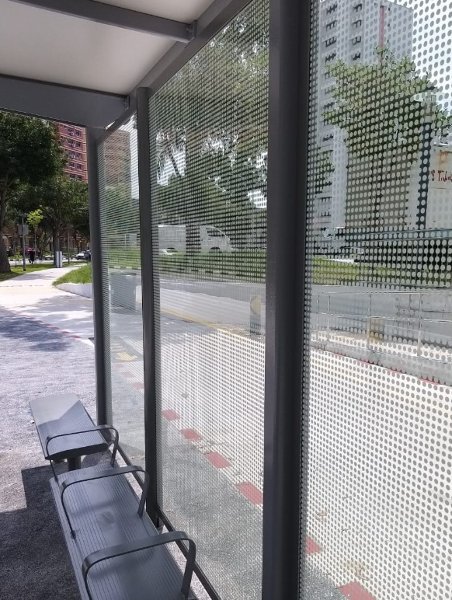
The durability of ceramic frit glass lies in its manufacturing process. Ceramic enamel is applied to the glass surface using screen printing, roller coating or digital ceramic printing. The glass is then fired in a tempering furnace at temperatures exceeding 600°C.
During firing, the ceramic particles melt and fuse permanently into the glass surface. This process creates a finish that is:
Scratch resistant
Weather resistant
Chemically stable
UV resistant
Long-lasting in outdoor environments
Unlike adhesive films, the ceramic layer cannot be removed without damaging the glass itself.
Manufacturing Processes
Ceramic frit glass is produced through controlled factory processes to ensure consistent colour and pattern quality.
The most common methods include:
- Silk-screen printing for repetitive dot, stripe or geometric patterns
- Roller coating for uniform coverage
- Digital ceramic printing for custom artwork, gradients and branding
After printing, the glass undergoes tempering or heat strengthening, permanently bonding the ceramic enamel into the surface.
Ceramic frit glass can also be combined with laminated or insulated glass units (IGUs) for enhanced safety and thermal performance.
Thickness & Specification Guide
Selecting the correct glass thickness is essential for safety, durability and regulatory compliance in Singapore. The required specification depends on application, installation height and structural load requirements.
Below is a general guide to common ceramic frit glass specifications:
Typical Use | Recommended Thickness |
Interior partitions & doors | 6 mm – 8 mm |
Shower screens | 8 mm – 10 mm |
Balcony panels & railings | 10 mm – 12 mm (tempered) |
Commercial façades | 10 mm – 19 mm (laminated/IGU options) |
Thicker panels provide greater structural strength and impact resistance. Laminated or tempered combinations are recommended for balcony and high-rise installations.
Final specifications should always be determined based on site conditions and local regulations.
Ceramic Frit Glass Types
- Tempered ceramic frit glass for improved impact resistance
- Laminated ceramic frit glass for enhanced safety and acoustic control
- Insulated glass units (IGU) for improved thermal performance
- Low-E coatings for additional energy efficiency
- Custom colours and gradients for branding and architectural design
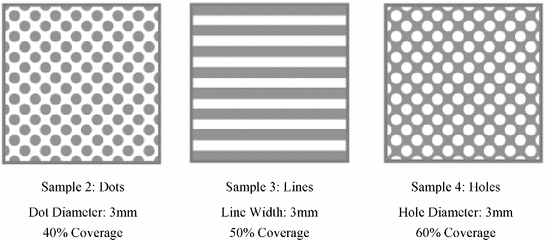
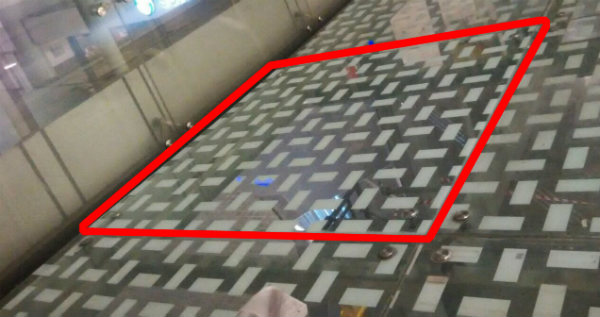
Pattern density can also be adjusted to control privacy and light transmission levels.
How To Maintain Ceramic Frit Glass?
Ceramic frit glass is designed for long-term durability in Singapore’s humid and high-UV environment. When properly installed, it requires minimal maintenance while retaining its appearance and structural integrity.
Recommended maintenance:
- Clean with mild soap and water
- Use a soft microfibre cloth or non-abrasive sponge
- Avoid harsh chemicals or abrasive scrubbing
- Inspect fittings and sealants periodically
Because the ceramic layer is fused into the glass, it does not peel or fade. With proper care, ceramic frit glass can last 20 years or more in typical building conditions.
Ceramic Frit Glass Price Guide in Singapore
The cost of ceramic frit glass depends on thickness, pattern complexity, safety specifications and installation conditions. Custom designs and larger panels may increase overall pricing.
Estimated Price Guide (Per Square Foot)
Type of Glass | Est. Price (per sq ft) | Typical Use |
Standard Ceramic Frit Glass | $25 – $45 | Partitions, decorative panels |
Tempered Ceramic Frit Glass | $40 – $70 | Balcony panels, doors |
Laminated Ceramic Frit Glass | $50 – $85 | High-rise & safety areas |
IGU / High-Performance Units | $70 – $120 + | Commercial façades |
Emergency Replacement | From $200 per panel | Broken or damaged glass |
*Estimates only, actual pricing determined only after knowing detailed requirements and consultation
Typical Project Costs in Singapore
Actual project cost depends on panel size, site accessibility, hardware and urgency.
- HDB balcony panel upgrade: $1,000 – $2,500
- Condo railing installation: $1,500 – $3,500
- Office partition feature wall: $2,500 – $6,000
- Commercial façade panel: $3,000 – $10,000+
A site assessment is recommended for accurate quotation.
Ceramic Frit Glass Installation & Regulatory Guidelines
Installing ceramic frit glass requires proper planning, measurement and compliance with Singapore’s renovation and building standards.
Typical Installation Process
- On-site inspection and measurement
- Pattern design approval
- Factory fabrication and tempering
- Delivery coordination and permit submission (if required)
- Safe removal of existing panels
- Installation and structural securing
- Final inspection and safety checks
Emergency replacement services may be arranged within 24–48 hours, subject to stock and site access.
HDB & Condo Regulations in Singapore
- HDB renovation permits are submitted where required
- Condo installations receive MCST approval
- Balcony panels meet safety glazing standards
- Installations comply with Singapore building regulations
- Work is carried out during approved renovation hours
Professional installation ensures regulatory compliance, structural safety and long-term performance.
Frequently Asked Questions
Is ceramic frit glass safe for balcony panels?
Yes. When tempered or laminated, it is suitable for balcony and high-rise applications, subject to regulatory compliance.
Does ceramic frit glass reduce heat?
Yes. Pattern density can reduce solar heat gain and glare while maintaining daylight.
Can ceramic frit glass be customised?
Yes. Custom colours, gradients, patterns and branding designs are available using digital ceramic printing.
How much does ceramic frit glass cost in Singapore?
Prices typically range from $25 to $120+ per square foot depending on thickness and performance requirements.
Is ceramic frit glass suitable for shower screens?
Yes. Tempered ceramic frit glass is commonly used for shower partitions and bathroom installations.
How long does ceramic frit glass last?
With proper installation and maintenance, ceramic frit glass can last 20 years or more in Singapore’s climate.